



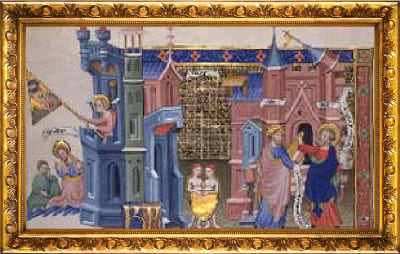
Hacia el año 44 d.C., Santiago el Mayor, hijo de Zebedeo de Galilea, fue decapitado por Herodes Agripa siendo el primer apóstol que muere martirizado por causa de su fe. Según un documento conocido como Epístola del Papa León, los siete discípulos del Apóstol se llevaron el cadáver hasta el puerto de Jope, donde, milagrosamente, apareció una embarcación y navegando durante siete días, bajo orientación divina, alcanzaron un lugar llamado Iría Flavia en la costa gallega. Al tomar tierra, el cuerpo de Santiago se elevó por los aires desapareciendo con dirección al sol. Los discípulos, con gran desconsuelo, recorrieron doce miliarios en su búsqueda, hasta que por fin hallaron el sepulcro del Maestro bajo un monumento de mármol. Al tiempo, tres de los discípulos, tuvieron que exterminar, con la ayuda de Santiago, un gran Dragón en el lugar que hoy se conoce como Monte Sacro.
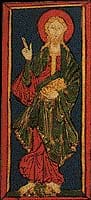
En torno al año 813, reinando Alfonso II el Casto, un ermitaño llamado Pelayo, cree ver la luz de unas estrellas señalando un túmulo en el monte Libradón, donde más tarde surgiría Compostela. El suceso fue comunicado al Obispo de Iría Flavia, Teodomiro. Comenzaron a desbrozar la maleza y se descubrió el arca marmórea con los restos que, por revelación divina, el Obispo atribuyó al Apóstol Santiago. Teodomiro da cuenta del hallazgo a Alfonso II y éste manda edificar sobre el sepulcro una sencilla iglesia de mampostería y barro. El mismo Rey da cuenta del hecho a Carlomagno, y la noticia se propaga con rapidez por toda Europa.
Hasta 27 prodigios milagrosos, obrados por Santiago, se recogen en el Códice Calixtino, pero es en el año 859, durante la ocupación árabe de España, cuando en las llanuras de Clavijo, a 18 kilómetros de Logroño, Ordoño I, se enfrenta a las tropas musulmanas de Abderramán II en clara desventaja numérica. Entre el fragor de la batalla, el Apóstol Santiago aparece sobre un corcel blanco, repartiendo mandobles sobre la morisma. Los cristianos vencen y es cuando el mito jacobeo traspasa definitivamente los pirineos.
La Batalla de Clavijo, según el historiador Claudio Sánchez Albornoz, no la realizó el Rey Ramiro I, sino su hijo Ordoño I, que por ser Ordoño hijo de Ramiro, hubo algunas equivocaciones en los documentos.
A partir de ahí empieza el peregrinaje a la tumba del Apóstol, trazándose caminos desde todos los confines de la tierra, y es a principios del siglo XII cuando alcanza el mayor apogeo, manteniéndose durante varias centurias. Esta popularidad que durante siglos llegó a superar incluso peregrinaciones como las de Roma o Jerusalén, se debió en buena parte al apoyo de los monjes de Cluny y del pontífice CalixtoII.
El consejo de Europa otorgó al Camino de Santiago en el año 1987 el título de primer Itinerario Cultural Europeo y más tarde Patrimonio Cultural de la Humanidad.
Dentro de este siglo el Papa León III, por medio de la epístola "Noscat Vestra Fraternitas", da a conocer la buena nueva a toda la cristiandad.
Año 814. El rey Alfonso II ordena la edificación de la pequeña basílica de Antealtares sobre el sepulcro del Apóstol Santiago el Mayor.
Año 841. Se tienen datos de la llegada a Santiago de un primer grupo de peregrinos procedentes de Asturias.
Año 899. Consagración de la nueva basílica, cuya ejecución fue mandada por el Rey Alfonso III.


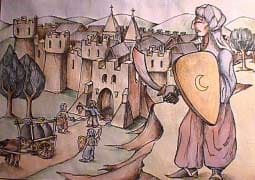
Consolidada la estabilidad social en el Califato de Córdoba y tras el reinado de Alhaquem II (961-976) subió al trono Hixam II (976-1009), cuya figura quedó eclipsada por la de su Ministro Abuamir Mohamed, más conocido por Almanzor. Éste, apoyado por un poderoso ejército, en su mayor parte formado por berberiscos procedentes del norte de África, se convirtió en un verdadero azote para los reinos cristianos, ocupando las fortalezas de la frontera del Duero y "visitando" lugares que no conocían la presencia musulmana desde mucho tiempo atrás. Tomó León y el 10 de agosto del año 997, Almanzor arrasó el Templo de Santiago, llevándose las campanas de la iglesia a Córdoba, pero respetando la Tumba del Apóstol.
La leyenda cuenta que Almanzor murió al ser castigado por Dios por la destrucción de Santiago de Compostela. Otros historiadores, aseguran que Almanzor murió como consecuencia de las heridas recibidas en la batalla de Calatañazor (1.002). Posiblemente la verdadera causa de su muerte fue de enfermedad, lo que forzó su retirada hasta Medinaceli.
Durante este siglo, aparte de Almanzor que fue un "peregrino" singular, se sabe que en el año 950 el Obispo de Puy, Godescalco, se convirtió en el primer peregrino francés que dejó constancia de su viaje hasta Santiago.
Años más tarde, en el 983, el Sepulcro fue visitado por el eremita Simeón de Armenia. Posteriormente, ya en el año 1.000, el rey Bermudo II, auxiliado por el Obispo San Pedro de Mezonzo, inició la reconstrucción de la iglesia de la ciudad de Santiago.
El consejo de Europa otorgó al Camino de Santiago en el año 1987 el título de primer Itinerario Cultural Europeo y más tarde Patrimonio Cultural de la Humanidad.
En este siglo peregrinaron a Santiago el Conde Fernán González y el primer Abad del Monasterio de San Pedro Cárdena (Burgos).
Año 959. Peregrinación a Santiago del noble francés Hugo de Vermandois, Arzobispo de Reims. También en este mismo año peregrina el Abad del monasterio de Montserrat.
Año 841. Peregrinación del noble francés Raimundo II, marqués de Gothia, que es asesinado en el Camino.
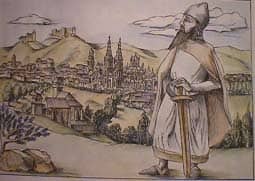
Durante este siglo fueron muchos los hechos determinantes que estuvieron relacionados con el Camino de Santiago. En el año 1.025, Sancho de Aragón introdujo la regla cluniacense en San Juan de la Peña y algún tiempo después los monjes de Cluny abren el Camino por Roncesvalles.
En el Año 1.063, Sancho el Mayor hace pasar el Camino por Nájera y funda en Estella un castillo y una población para atender a los peregrinos.
Don Rodrigo Díaz de Vivar, el Cid Campeador, después de su boda con Doña Jimena, peregrinó a Compostela en el año 1.064.
En el año 1.072, el Arzobispo de Maguncia, Sigfrido I, se convierte en el primer peregrino alemán conocido, que llega a Santiago. Tres años después, Diego Peláez comienza las obras de la actual Catedral de Compostela. En el 1.090, Jaca se establece como punto de paso del Camino y en el 1.094 y 1.098, Ansgot de Burwell por una parte y San Teobaldo de Mondovi y San Guillermo de Vercelli por otra, se convierten en el primer peregrino inglés y en los primeros santos que peregrinaron a Compostela respectivamente.
El consejo de Europa otorgó al Camino de Santiago en el año 1987 el título de primer Itinerario Cultural Europeo y más tarde Patrimonio Cultural de la Humanidad.
Relevantes personajes de este siglo como: Guillermo VII, duque de Aquitania; Enrique, Obispo de Winchester: Roberto, monje de Lieja; así como personas venidas del lejano Oriente como el monje armenio Simeón o el griego Esteban; peregrinan para postrarse ante la Tumba del Apóstol.
Año 1.054. Se inician las obras para la construcción de la basílica de San Isidoro de León.
Año 1.057. Consagración de la iglesia románica del monasterio de Leire.
Año 1.063. Se inicia la construcción de la catedral de Jaca.
Año 1.080. Se celebra un concilio en la ciudad de Burgos con el triunfo del rito romano.
Año 1.085. Concesión de fuero a la ciudad de Sahagún.
Año 1.096. Se traslada la sede episcopal desde Iria Flavia a Santiago de Compostela.
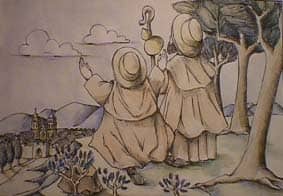
En el año 1.126, reinando Alfonso VII, (1.126-1.157), se celebra el primer Año Santo Compostelano que fue proclamado por el Papa Calixto II. Alfonso VII, llamado el Emperador, era hijo de Doña Urraca y de Don Raimundo, conde de Galicia. En el año 1.128 se casó con Doña Berenguela y de esta unión nacieron Don Sancho y Don Fernando, entre los cuales fue dividido el Reino. En 1.135 se proclamó Emperador de León junto con su esposa Doña Berenguela.
Fueron muchos los peregrinos ilustres, que durante este siglo, visitaron el Sepulcro del Apóstol: Guido de Albiona, conde de Albou (1.102); Guillermo X, duque de Aquitania, que muere ante la Tumba de Santiago en el año 1.137.
En el año 1.140, Aymeric Picaud, lleva el Códice Calixtino a Santiago (escrito por él mismo, según algunos historiadores, pero atribuido al Papa Calixto II por los monjes de Cluny).
Luis VII de Francia fue peregrino en 1.154; Conrado I en 1.164; Enrique, Duque de Sajonia en el año 1.185; San Morando, San Alberto, Guillermo de Reims y el Abad Enrique III, se postraron ante el Apóstol en el año 1.190.
Por otra parte, en el año 1.170, El Rey Alfonso VIII, de acuerdo con el Papa Alejandro III, crea la Orden de los Caballeros de Santiago para la protección de los peregrinos. En 1.181, el mismo Papa Alejandro III, concede el privilegio del Jubileo mediante la Bula Regis Aeterni. Y finalmente, en el año 1.188, el Maestro Mateo finaliza su obra: El Pórtico de la Gloria.
Año 1.110. Los burgueses de Sahagún se sublevan contra la autoridad abacial.
Año 1.112. Concesión de fuero a Puente la Reina.
Año 1.116. Sublevación burguesa en Santiago contra el prelado Diego Gelmírez.
Año 1.190. Peregrinan a Santiago los duques de Saxe (Alemania).
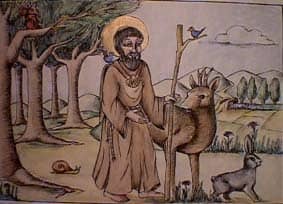
Año 1.203. Peregrinación de Wolfgang, conde del Rhin.
Año 1.212. Alfonso (El Batallador) y sus aliados vencen a los almohades en la batalla de las Navas de Tolosa.
Año 1.212. Se inician las obras de la iglesia gótica de Roncesvalles.
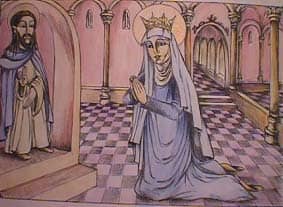
El 25 de Julio del año 1.325, Santa Isabel de Portugal se arrodilló ante la Tumba del Apóstol y le ofrendó sus galas de Reina. Reinaba en esa época, en Castilla y León, Alfonso XI llamado el Noble (1.312-1.350), que había sido coronado a la edad de 13 meses. Fue precisamente en el año 1.325 cuando Alfonso XI comenzó a reinar por sí mismo a la edad de l4 años, libre ya de la tutela de los Infantes Don Pedro y Don Juan. El día 30 de Octubre de 1.340, ganó la celebre batalla del Salado, después de invocar al Apóstol Santiago.
En el Año 1.386, el Duque de Lancaster, llegó a Compostela en actitud de conquista acompañado por unos "peculiares peregrinos": sus soldados. Cuando le fueron entregadas las llaves de la ciudad, curiosamente cambió de actitud y acompañado por su familia, rezó ante el Apóstol, regresando luego a Lancaster.
En 1.394 se concedió por primera vez, en Inglaterra, un permiso para fletar un barco que llevara a los peregrinos a Santiago. (nace el camino Inglés) Estos permisos fueron habituales hasta 1.456.
Año 1.312. El francés Yves Lebreton realiza la peregrinación a Santiago en nombre de la Condesa de Artois.
Año 1.320. En esta época se imprime un gran impulso a las obras de la Catedral de Pamplona.
Año 1.340. Peregrinación de Santa Brígida de Suecia.
Año 1.386. Geoffrey Chaucer inicia el relato de "Los Cuentos de Canterbury" o "Cuentos de peregrinación" que finalizaría 15 años más tarde.
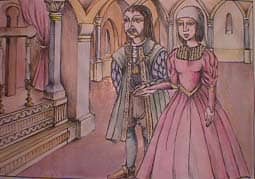
El siglo XV fue tan decisivo para la historia de España como en la historia de las peregrinaciones a Compostela. Puede decirse que éstas empezaron a "internacionalizarse" y a "masificarse" a partir del llamamiento que Juan II, en 1.436, hizo que los habitantes de todos sus reinos, pudieran visitar Santiago bajo su salvoconducto, guarda y amparo. Su éxito fue tal, que en el Año Santo de 1.445, la ciudad se vio desbordada por la gran cantidad de peregrinos que llegaban hasta el Sepulcro.
En 1.456 (también Año Santo), Enrique IV de Castilla, coronó, como ofrenda, personalmente, al Apóstol Santiago. En época ya de los Reyes Católicos (1.469-1.504), estos hicieron desde Guadalupe y durante el Año Santo de 1.479, un llamamiento similar al de Juan II, y en 1.482, la Reina Isabel, donó a la Catedral 35.000 maravedíes para que ardieran 6 cirios permanentemente en el altar, a fin de que los peregrinos pudieran también orar por la noche.
Isabel y Fernando, peregrinaron por primera vez a Santiago en 1.488 y años más tarde en 1.496, repitieron el Camino para dar gracias al Apóstol por la conquista de Granada y por el descubrimiento de América. Durante esta segunda peregrinación ordenaron la construcción del Gran Hospital de Peregrinos en Santiago. Fue llevada a cabo en 1.501 por Enrique de Egas y el hospital funcionó como tal hasta 1.954, año en que se convirtió en el actual Hostal de Los Reyes Católicos.
Año 1.430. Peregrinación del pintor flamenco Juan Van Eyck.
Año 1.434. Llegan a La Coruña 64 naves con cerca de 3.000 peregrinos ingleses.
Año 1.443. Se crea la Universidad de mercaderes en la ciudad de Burgos.
Año 1.474. Zarpan de Hamburgo cuatro navíos llenos de peregrinos.
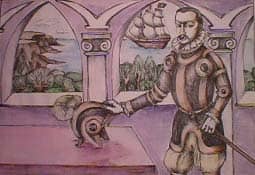
En 1.506 la reina Juana y Felipe el Hermoso peregrinaron a Compostela. En 1.510 Don Gonzalo Fernández de Córdoba (el Gran Capitán) llegó ante el Sepulcro del Apóstol y le hizo donación de la lámpara que todavía hoy alumbra su imagen.
Felipe II nació el 21 de Mayo de 1.527, tres décadas después del descubrimiento de América. En 1.554, antes de marchar a Inglaterra para casarse con María Tudor, peregrinó a Compostela y se postró ante la tumba del Apóstol, Años después, llegaría a casarse hasta tres veces más, engendrando un total de ocho hijos de sus cuatro matrimonios. En 1.561 el Papa lo nombró protector de la Iglesia.
Ángel Buonarroti, en 1.545, manifestó su intención de peregrinar a Santiago, pero nunca llegó a realizar el viaje, aunque si pintó una imagen del Apóstol en la Catedral de Siena.
Drake y sus barcos llegaron a las costas coruñesas en 1.589 con la intención de destruir Santiago, ciudad a la que definió como "un centro de perniciosa superstición". El Arzobispo Juan Sanclemente, ante este peligro, escondió las reliquias del Apóstol, que permanecieron ocultas hasta 1.878.
En este siglo tuvieron lugar las peregrinaciones caballerescas. El caballero Hainault de Werchin retó a todo caballero que no se apartara más de veinte leguas de su camino.
A finales de esta centuria se inicia la decadencia del Camino.
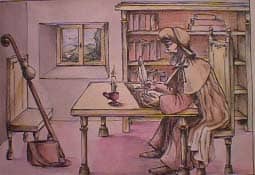
Felipe IV fue hijo de Felipe II y de Doña Margarita de Austria. Vino al mundo el 8 de abril de 1.605, en Valladolid, y falleció el 17 de septiembre de 1.665 en Madrid, ocupando con su vida y su reinado la mayor parte del siglo. La decadencia del Camino ya venía de años atrás, pero es tal vez durante su reinado cuando se instaló definitivamente.
No obstante, muchos grupos anónimos peregrinaron a Santiago, otros más ilustres, como Cosme de Médicis, príncipe Italiano, llegó a la Catedral con un séquito de 40 personas.
En Puente la Reina de Navarra, situada unos 24 kilómetros después de Pamplona, siguiendo el Camino de Santiago, se unen los Caminos Francés y Aragonés, y dice la leyenda que a partir de ahí "todos los caminos conducen a Santiago". Uno de los peregrinos que llegó a esa encrucijada en 1.673 fue Domingo Laffi. Llegó a hacer el Camino hasta tres veces y dejó testimonio escrito de sus experiencias, iniciando, en cierto modo, la literatura "moderna" en este campo de los diarios de las peregrinaciones que tanto proliferan (la mayoría inéditos) en nuestro tiempo.
Drake y sus barcos llegaron a las costas coruñesas en 1.589 con la intención de destruir Santiago, ciudad a la que definió como "un centro de perniciosa superstición". El Arzobispo Juan Sanclemente, ante este peligro, escondió las reliquias del Apóstol, que permanecieron ocultas hasta 1.878.
Año 1.643. El rey Felipe IV instituye la Ofrenda Nacional al Apóstol.
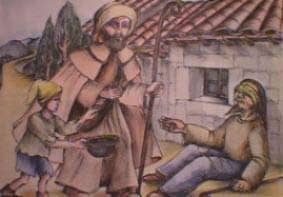
Felipe V era hijo de Luis (delfín de Francia) y de Ana María de Baviera. Nació el 19 de diciembre en Versalles y murió el 9 de julio de 1.746 en Madrid. Durante las celebraciones del Año Santo de 1.717, el Rey Felipe reiteró el patronazgo de Santiago. Durante este siglo el número de peregrinos experimentó un ligero aumento.
La picaresca existió y existe en el Camino de Santiago desde sus mismos inicios. Son innumerables los testimonios de peregrinos que fueron literalmente "esquilmados" a lo largo de su peregrinaje. Dejando al margen a ladrones y asaltantes, que no tienen nada de pícaros, las principales quejas de los peregrinos, están referidas a mesoneros y amos de las ventas que abundaban por todo el Camino. Los engaños van desde fraudes en el pesaje hasta el servicio de comidas demasiado saladas para provocar mayor consumo de vino, aguado para más señas. Cierto es que los peregrinos estaban protegidos de estos abusos por leyes y disposiciones, pero existían y eran inevitables.
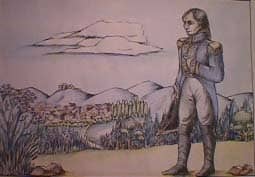
En 1.801 los ejércitos de Napoleón, que durante varios años se dedicaron al expolio de buena parte del patrimonio artístico, se llevaron el antiguo botafumeiro de plata de la Catedral.
Sigue la decadencia, tan es así, que el 25 de julio de 1.878, día de Santiago, apenas hay 45 peregrinos en la Catedral.
Muchos años después, concretamente en 1.878, el Cardenal Payá ordenó efectuar unas excavaciones en el altar mayor de la Catedral de Santiago descubriendo un sepulcro con tres cuerpos. El Papa León XIII, año 1.884, en la "Bula Deus Omnipotens", confirma que los cuerpos son del Apóstol y dos de sus discípulos Teodoro y Atanasio.
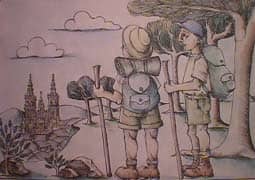
Durante los siglos XIX y XX, sobre todo en este último, el Camino de Santiago, aún estando ahí, dejó de ser recorrido de forma masiva por los peregrinos, en comparación con los miles y miles que año tras año se encaminaban a Compostela en siglos anteriores. Esta tendencia a la baja, en la que influyeron distintos factores, especialmente de índole histórica, se ha invertido espectacularmente durante los últimos años, y más desde la celebración del Año Santo de 1.993. Hoy se vuelven a contar por millares los peregrinos que recorren a pié, en bicicleta y a caballo la senda de las estrellas y son millones los que visitan Santiago cada año por tierra, mar y aire.
Nuestros Reyes, Don Juan Carlos y Doña Sofía, el Papa Juan Pablo II y un sin fin de personajes ilustres han peregrinado a Santiago en este final de Siglo.
Año 1.947. Se inician las excavaciones en el subsuelo de la Catedral Compostelana, y aparecen restos de una necrópolis hispano-romana y el sepulcro de Teodomiro.
Año 1.987. El Consejo de Europa declara el Camino de Santiago "Primer Itinerario Cultural Europeo".
Año 1.989. Juan Pablo II viaja a Compostela por segunda vez, convocando a la juventud. Medio millón de jóvenes de todo el mundo acude al Monte do Gozo, produciéndose la mayor concentración de peregrinos de toda la historia.
Año 1.993. La UNESCO declara el Camino de Santiago "PATRIMONIO DE LA HUMANIDAD".
Año 2.000. Santiago de Compostela es nombrada "Ciudad Europea de la Cultura".